
Business FormationJun 17, 2026
CP-575: Your EIN Confirmation Letter Explained (2026)
The CP-575 is the IRS letter confirming your new EIN. Learn what it contains, why the IRS issues it once, and how to get a 147C if you lost it in 2026.
Read more
Page 2 of 7
The CP-575 is the IRS letter confirming your new EIN. Learn what it contains, why the IRS issues it once, and how to get a 147C if you lost it in 2026.
What is a fiscal year, and should your business use one in 2026? A plain-English guide to fiscal vs calendar year, who can choose, and how deadlines change.

Tax liability is the total tax you owe for the year. Learn how to calculate yours in 2026 — income tax, self-employment tax, and what to subtract.
Fixed vs variable costs decide your margins, pricing, and break-even point. Learn the difference in 2026 with clear examples and a worked break-even calculation.
A step-by-step guide to small business bookkeeping in 2026: separate banking, pick a method, categorize, reconcile monthly, and prep for taxes.
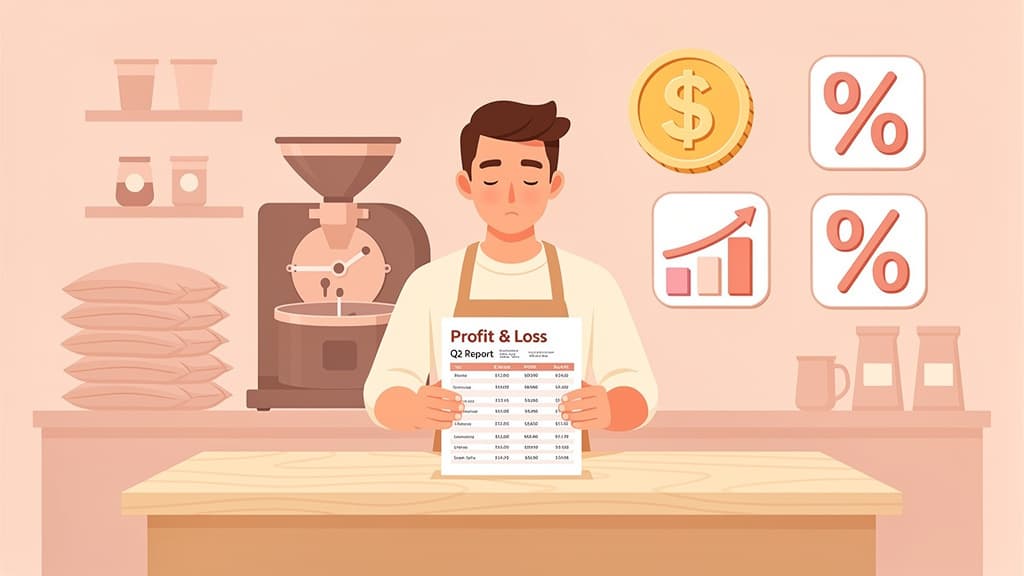
Gross profit vs net profit, explained for 2026: the formulas, the margins, a full worked P&L example, and why a strong gross margin can still end in a loss.
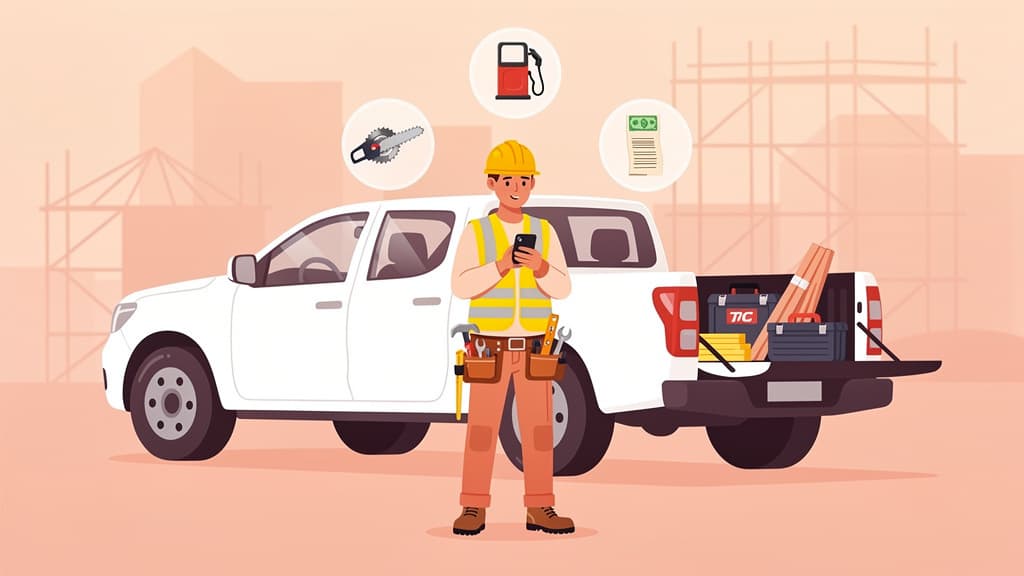
Every tax deduction a self-employed contractor can claim in 2026: tools, vehicle, materials, subs, and Section 179. A trades tax guide with worked numbers.
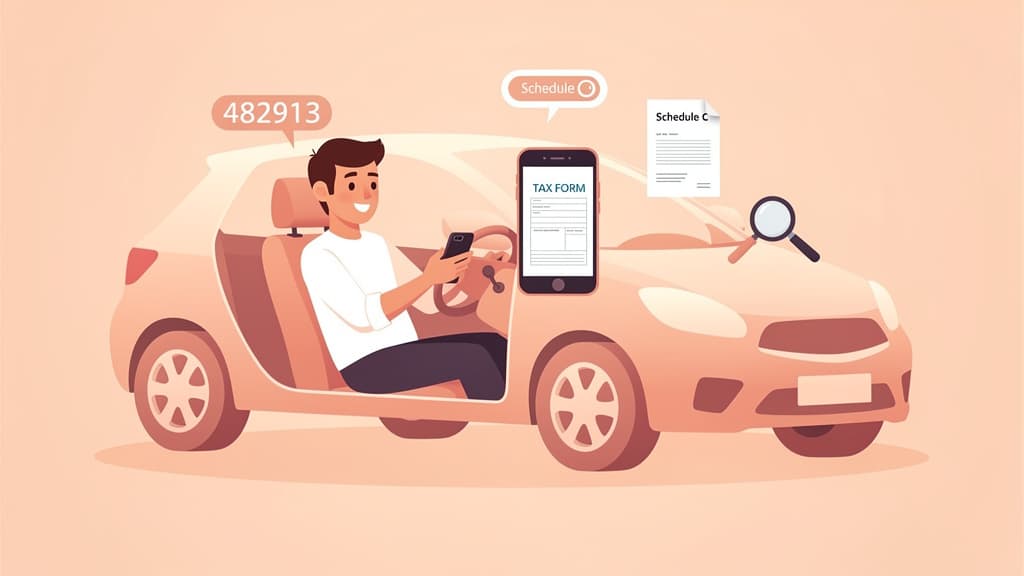
The principal business code on Schedule C line B is a six-digit number from the IRS. Learn how to find the right code for your business in 2026, with examples.
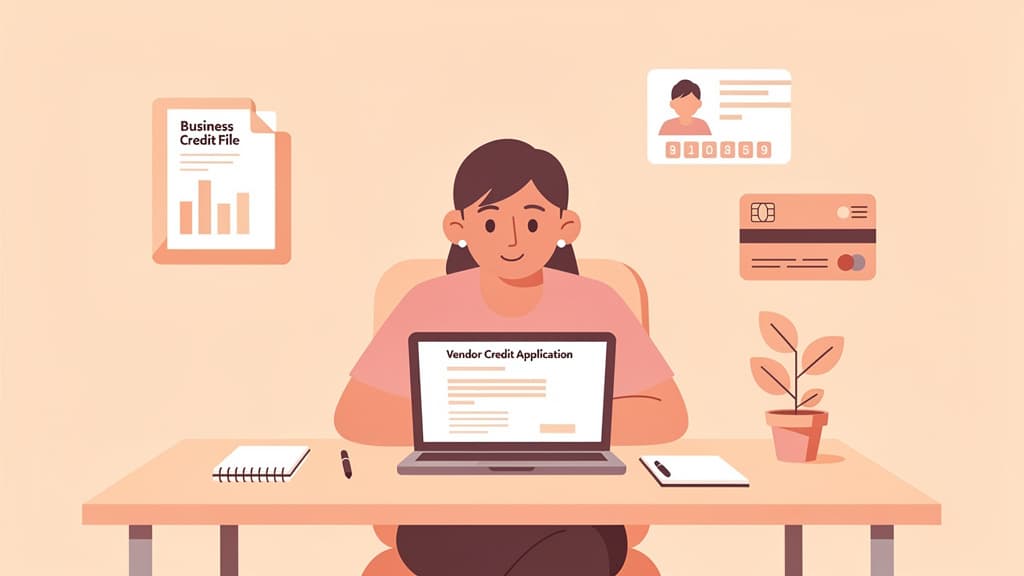
A DUNS number is a 9-digit business ID from Dun & Bradstreet. In 2026, the federal government uses the UEI instead. Here's what you actually need.
Bookkeeping records the numbers; accounting interprets them. Learn the real difference in 2026, who does what, what each costs, and which one your business needs.
An SIC code classifies your industry in a 4-digit system. Learn what SIC codes are, who still uses them in 2026, and how to look up and convert yours.
A NAICS code classifies what your business does. Learn how the 2026 system works, where you need yours, and how to find the right six-digit code in minutes.
Per diem lets you deduct business travel meals without saving every receipt. Here are the 2026 GSA and IRS rates, rules, and a worked example.
Lost your EIN in 2026? Here are 6 ways to find your Employer Identification Number fast, plus how to request a 147C letter and apply if you never had one.
Jupid's first-party search data shows early small business intent often appears before an owner asks for a business account or loan. Here are the practical questions community FIs should not miss.
Assets are what you own, liabilities are what you owe. Here's the 2026 small-business guide to telling them apart, with the accounting equation worked out.
Cash vs accrual accounting decides when income and expenses hit your books. See both methods side by side, the 2026 IRS rules, and how to choose.

Retained earnings are the profit you keep in the business. Learn the formula, a worked example, and what the number means for loans and valuation in 2026.
KYB verifies a business is real before you open its account. What it checks, how it differs from KYC, and the 2026 rules that actually apply — clearly stated.
A chart of accounts organizes every dollar your business tracks. Learn how to build one for your small business or LLC in 2026, with a free template.
Embedded accounting builds bookkeeping into the apps, platforms, and banks SMBs already use. What it is, who's adding it, and the ROI math, for 2026.
Debits and credits confuse every new business owner. This 2026 guide explains double-entry bookkeeping in plain English, with simple T-account examples.
Embedded banking, embedded finance, BaaS, and open banking get used interchangeably. They are not the same. Here is the clean separation, with examples.
A cash flow statement shows where your money actually went. Learn how to read and build one in 2026, why profit isn't cash, and grab a free template.
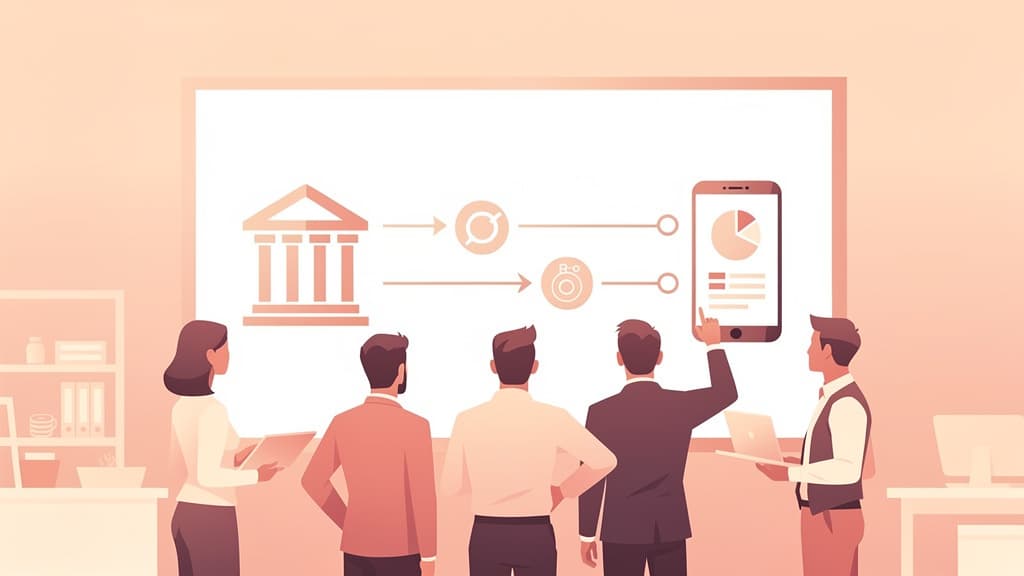
After Synapse, BaaS split into a high-risk sponsor-bank model regulators watch and a low-risk embedded model FIs can adopt safely. Here's how to tell them apart.
A balance sheet is a snapshot of what your business owns and owes. Learn how to read and build one in 2026, with a plain-English example and a free template.
Embedded finance puts banking, lending, and accounting inside the apps people already use. Here's what it means for banks and credit unions in 2026.
A profit and loss statement shows whether your business made money. Learn how to read and build a P&L in 2026, with a worked example and a free template.
Schedule 2 reports the extra taxes that don't fit on Form 1040 — AMT, SE tax, NIIT, Additional Medicare Tax. Complete 2026 line-by-line guide.
Reconcile your Marketplace subsidy on Form 8962 in 2026 — line-by-line, with repayment caps, a worked APTC example, and the subsidy-cliff update.
Join 1,000+ businesses using Jupid to save time and money. Start simplifying your finances today.
30-day money-back guarantee